
Yayın
58
Açık Erişim
21


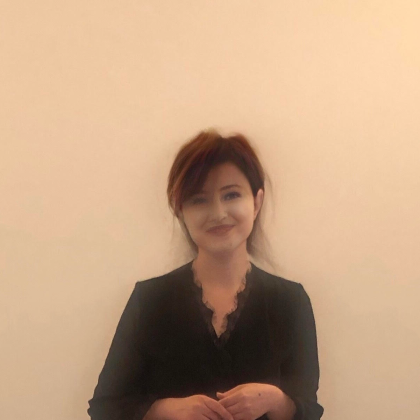
Dr. Geçikli's major field is Linguistics. Specifically, she focuses on discourse analysis and, on this basis, studies critical discourse analysis, cross-cultural studies, genre analysis and academic genre awareness/literacy, corpus linguistics and corpus-based studies, Language for Specific/Academic Purposes (LSP/LAP), and English for Specific/Academic Purposes (ESP/EAP). In addition, she conducts cross linguistic studies across languages, particularly English and Turkish, examining linguistic, rhetorical, pragmatic, and cultural similarities and differences in academic, professional, and digital communication contexts.
In recent years, she has expanded her research interests to include digital linguistics, innovation, and technology-based issues in applied linguistics and linguistics applied. Accordingly, digital tools, software applications, and language technologies constitute major areas of interest in relation to language management and language use.
Furthermore, Dr. Geçikli has increasingly focused on Artificial Intelligence (AI)-integrated linguistic studies and Machine Learning (ML)-based approaches to language analysis. Her recent work explores the use of AI technologies, Natural Language Processing (NLP), Large Language Models (LLMs), automated discourse and genre analysis, corpus-driven analysis, and computational approaches to textual coding. She is also interested in the application of machine learning algorithms to linguistic data for pattern recognition, language classification, and text mining
In her studies, she mainly adopts a multidisciplinary perspective and collaborates with experts from different academic and professional fields.
Discourse Analysis focuses on knowledge about language beyond the word, clause, phrase, and sentence, which is necessary for successful communication (Paltridge, 2006).
Genre Analysis is the analysis of abstract, socially recognized ways of using language (Hyland, 2004).
Corpus Linguistics is the study of large-scale electronic text databases or corpora, allowing researchers to conduct systematic searches for linguistic features, patterns, and variations in spoken and written texts (Bawarshi & Reiff, 2010). Contemporary corpus linguistic research increasingly employs computational methods, artificial intelligence, and machine learning techniques for the analysis of large multilingual datasets.
LSP/LAP and ESP/EAP focus on presenting and analyzing specialized varieties of language used in academic and professional contexts. Within ESP/EAP, English texts produced in academic and professional settings by both native and non-native speakers are analyzed from rhetorical, linguistic, and intercultural perspectives. Comparative studies involving English and Turkish academic and professional discourse also constitute an important area of investigation.
Applied Linguistics is the academic field that connects knowledge about language to decision-making in the real world. Generally speaking, the role of applied linguists is to make insights drawn from areas of language study relevant to such decision-making. In this sense, applied linguistics mediates between theory and practice (Simpson, 2011).
Linguistics Applied is concerned with the practical implementation of linguistic knowledge in technological environments, including software development, computational linguistics, natural language processing, language technologies, artificial intelligence applications, machine learning systems, and digital communication platforms.
- E-posta
- merve.gecikli@atauni.edu.tr
- Diğer E-posta
- merve.gecikli25@gmail.com
- Web Sayfası
- https://avesis.atauni.edu.tr/merve.gecikli
- İş Telefonu
- +90 442 231 4482
- Ofis
- 405
- Posta Adresi
- Üniversite Mahallesi, Kazım Karabekir Eğitim Fakültesi, Yabancı Diller Eğitimi Bölümü, İngilizce Öğretmenlici A.B.D., 25240 Yakutiye-ERZURUM